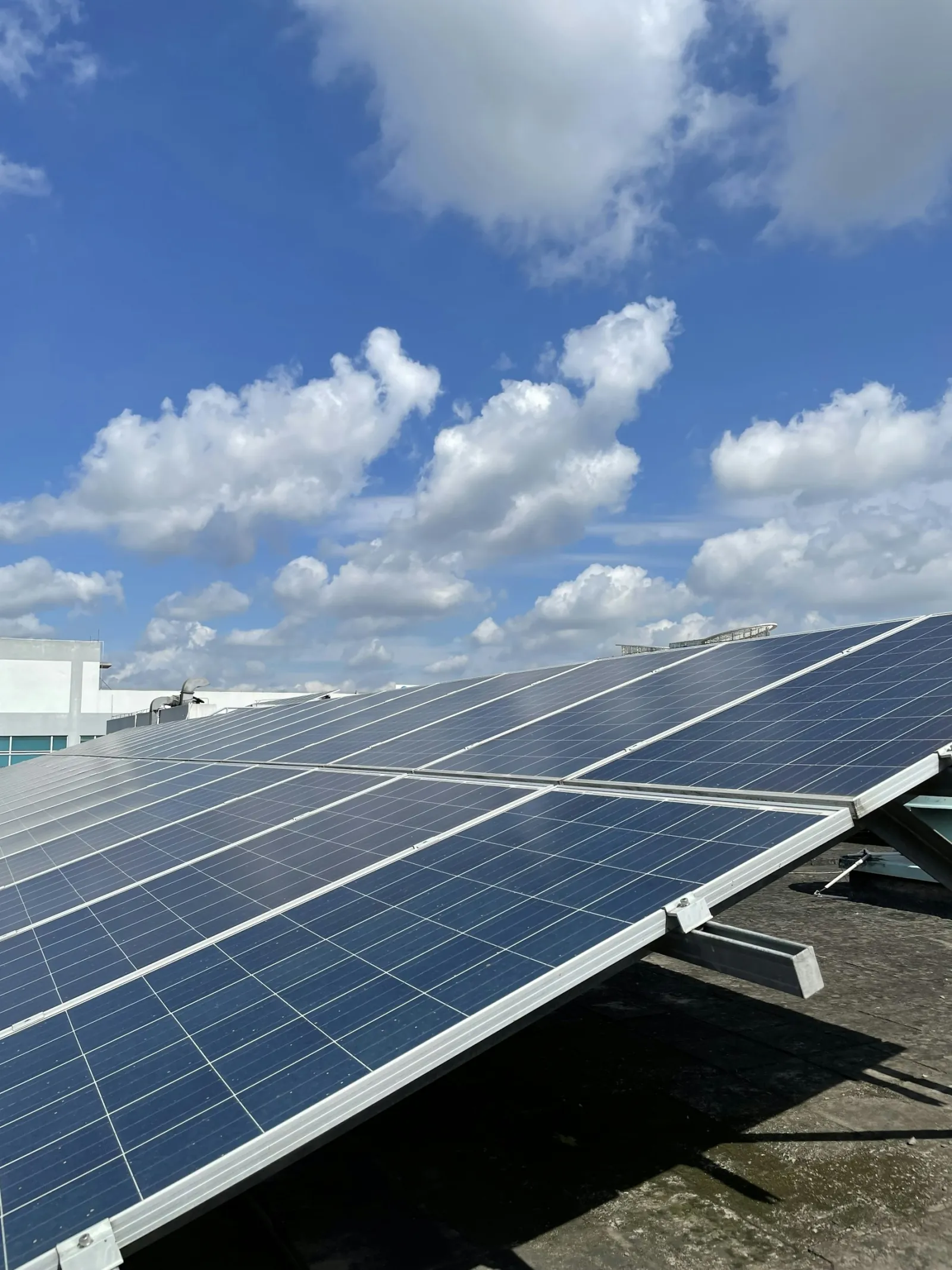
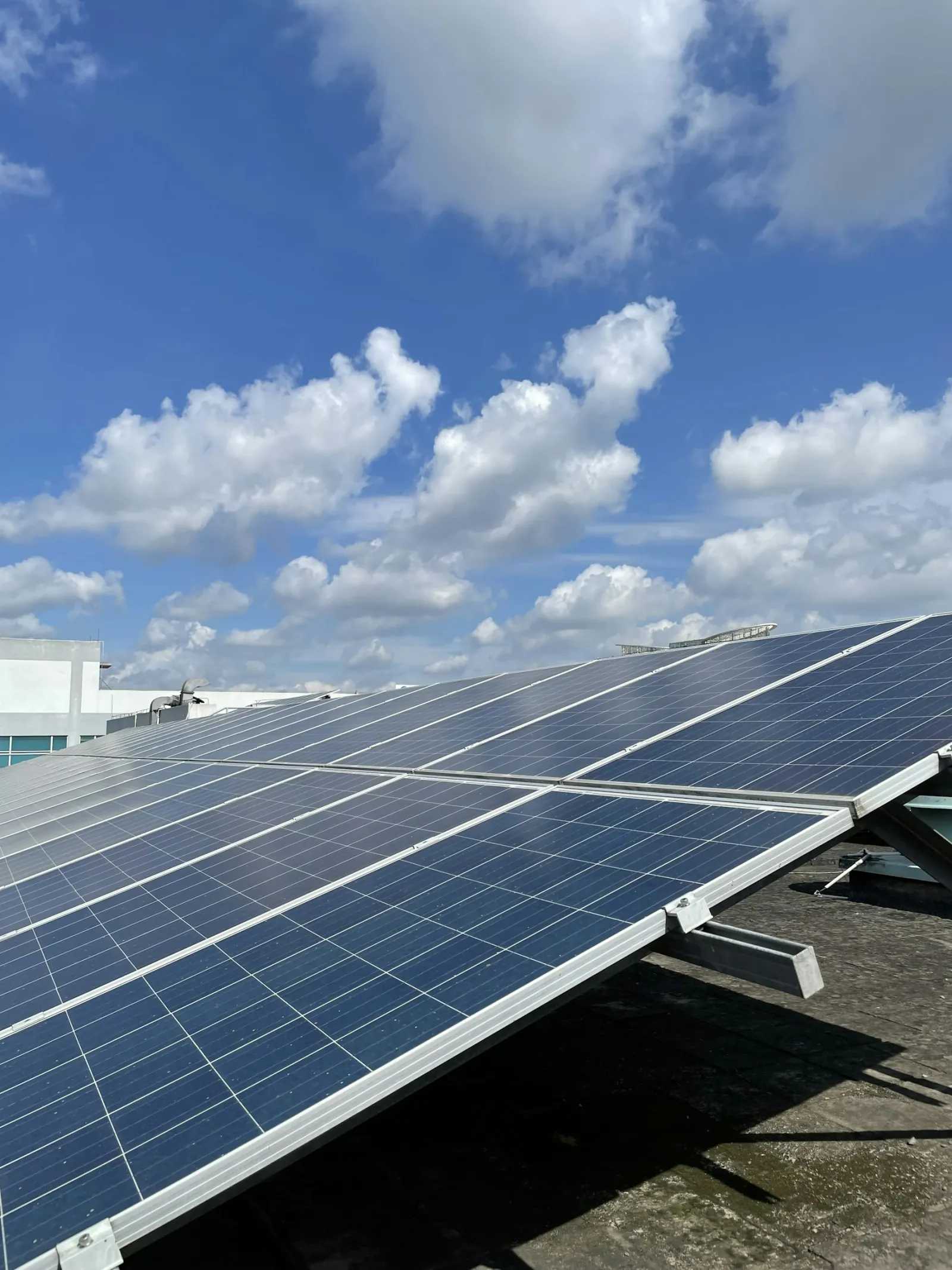
How an on-grid system works
Solar panels produce DC power, which an on-grid inverter converts to AC for your home. When the panels produce more than you are using, the surplus flows to the grid and is recorded on a bidirectional (net) meter. At night or on cloudy days you draw from the grid as usual.
- Solar panels on the roof
- On-grid inverter (e.g. GoodWe, Solis, Growatt)
- Bidirectional net meter from LESCO
- Breakers, SPDs and earthing
The one thing to know: no backup in load shedding
For safety, an on-grid inverter switches off when the grid goes down so it does not feed power into lines that linemen may be working on. That means a pure on-grid system does not run your house during load shedding. If backup matters to you, choose a hybrid system instead.
What decides the price
System size in kW is the main factor, followed by the panel brand and wattage, the inverter brand, the structure (standard or elevated) and cabling distance. Because there are no batteries, on-grid usually costs noticeably less than a hybrid system of the same size.
Frequently asked questions
On-grid solar system kya hota hai?
On-grid system woh solar system hai jo bijli ke grid ke saath connected hota hai. Din mein ghar solar se chalta hai, extra units net meter ke zariye grid ko chali jati hain, aur raat ko aap grid se bijli lete hain. Is mein battery nahi hoti.
Does an on-grid system work during load shedding?
No. The inverter shuts down when the grid fails, as a safety requirement. For backup you need a hybrid system with batteries.
On-grid vs off-grid: which is better?
On-grid is cheaper and pays back faster where the grid is available. Off-grid only makes sense where there is no reliable grid. Hybrid is the middle option: grid savings plus battery backup.
Can I add batteries later?
Only if you install a hybrid inverter. A pure on-grid inverter cannot charge batteries, so if you may want backup later, ask us about a hybrid inverter from the start.