Loading products…
Loading products…
Inverters · 3 products
On-grid, off-grid and hybrid inverters from leading brands.
Prices updated 7 Nov 2026
| Model | Brand | Key spec | Price | Stock |
|---|---|---|---|---|
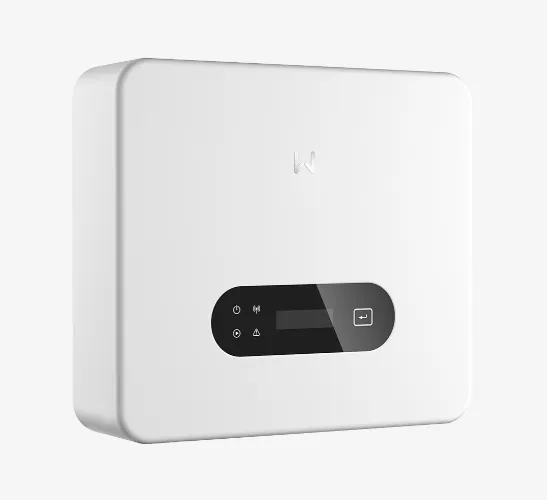
| GoodWe DNS G4 Series 3–6 kW | Single Phase | 2 MPPTs | GoodWe | Power range: 3 – 6 kW | Ask for price | In stock |
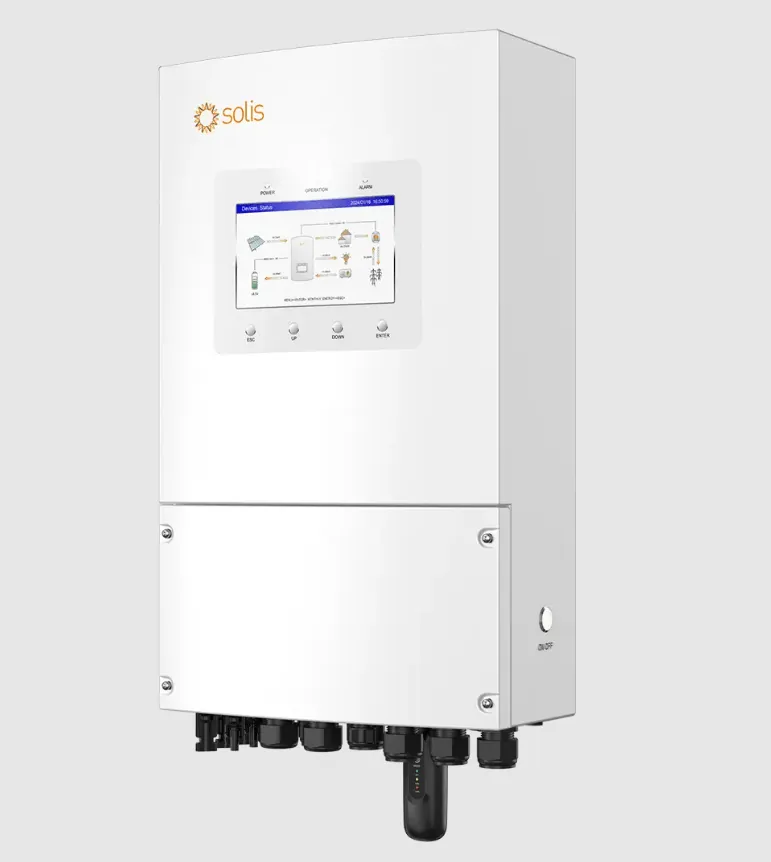
| Solis S6-EH1P(3-10)K-L-PLUS Hybrid Inverter | Solis | Phase: Single phase | Ask for price | In stock |
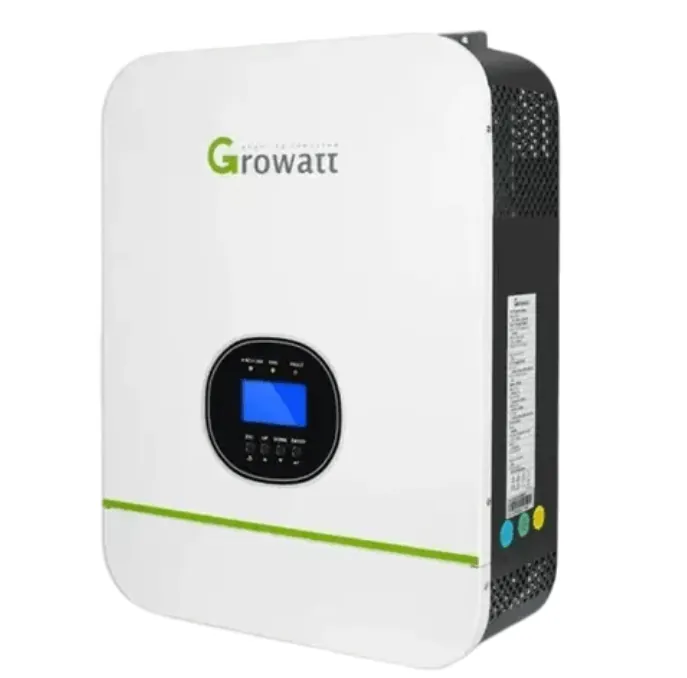
| Growatt SPF3000TL HVM-24 Off-Grid Inverter | Growatt | Rated power: 3 kW | Ask for price | Out of stock |
Choose the inverter type first. An on-grid inverter is the cheapest way to cut your bill but gives no backup in load shedding. A hybrid inverter adds battery backup and can still export through net metering. An off-grid inverter runs entirely from panels and batteries.
Then size it. The inverter should roughly match your panel capacity in kW, and your peak load if you want backup. Check the number of MPPTs (more helps on roofs with different directions), the battery voltage it supports, Wi-Fi monitoring and the warranty.
GoodWe, Solis and Growatt are popular for their reliability and local support. The best choice depends on whether you need on-grid, hybrid or off-grid.
Match the inverter to your panel capacity (for example, a 6 kW inverter for about 6–7 kW of panels) and to the load you want to back up. Our load calculator gives a starting point.
The prices listed here are current. Hybrid inverters cost more than on-grid ones because they also manage batteries.
Yes. An inverter AC runs well on solar during the day. On battery, the run time depends on the battery bank size.